
One of Vrindavan’s Most Remarkable Historic Temples
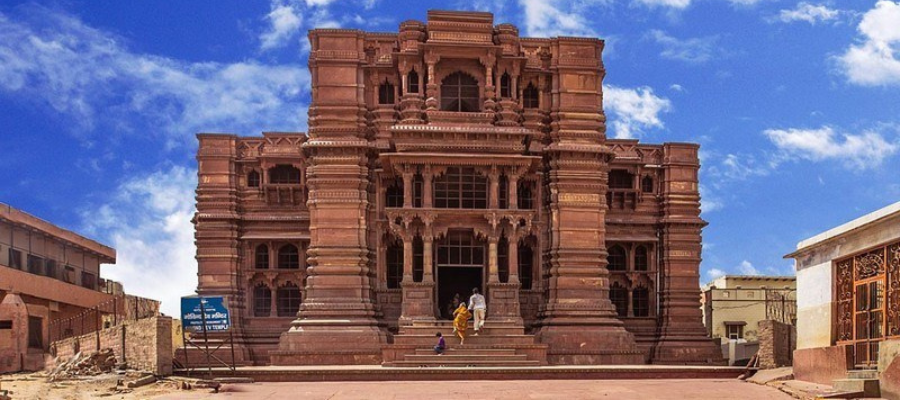
Govind Dev Ji Temple is counted among the most striking and historically significant temples in Vrindavan. Located in the old part of the town, this temple immediately stands out because of its scale, architectural strength, and deep spiritual legacy. Even in its present form, it carries an undeniable grandeur that sets it apart from many other sacred sites in the region. Built in red sandstone and designed with the visual power of a fortress, the temple reflects a rare combination of devotion, artistry, and royal patronage.
For visitors arriving in Vrindavan, the temple offers more than a place of worship. It gives a glimpse into the city’s layered past, when Krishna bhakti, temple architecture, and cultural patronage flourished together. The building’s presence still feels monumental, and despite the changes it has undergone over time, Govind Dev Ji Temple remains one of the most memorable landmarks in Vrindavan.
Architecture That Still Commands Attention
One of the most impressive features of Govind Dev Ji Temple is its architecture. The temple rises like a grand haveli-style structure, with heavy red-stone walls, high arches, broad spaces, and massive pillars that create a powerful visual impression. Even though the temple no longer stands at its original full height, its remaining structure continues to dominate the surrounding skyline. The moment one sees it, there is a sense of standing before something that was built not only for worship but also to express permanence, strength, and reverence.
The scale of the temple is especially striking in the context of old Vrindavan. Its bold design, open courtyards, and layered construction make it feel almost like a royal complex rather than a simple shrine. Every section of the structure hints at the ambition and devotion that must have shaped its creation. The arches and stonework are not merely decorative; they give the temple a commanding identity that remains unforgettable for pilgrims, historians, and architecture lovers alike.
A Sacred Place of Krishna Worship
At its heart, Govind Dev Ji Temple is a deeply revered place associated with Lord Krishna. Devotees continue to visit the temple with faith and emotion, offering prayers and paying respect to this historic seat of worship. Although the original idol of Govind Dev Ji is no longer housed here and is now enshrined in Jaipur, the sanctum in Vrindavan continues to hold a replica deity that is worshipped with devotion.
For many pilgrims, the spiritual power of a place does not depend only on the physical presence of the original idol. It also lives in the history, the prayers, and the long tradition of bhakti attached to the site. Govind Dev Ji Temple continues to hold that sacred energy. Devotees come here not just to see an ancient monument, but to connect with a space where Krishna worship has been honoured for centuries.
Echoes of Vrindavan’s Glorious Past
The temple also tells an important story about the historical and cultural greatness of Vrindavan. Its courtyards, remaining architectural elements, and nearby ruins together create an atmosphere that feels deeply connected to an earlier era of splendour. Walking through the temple precinct, one can sense that this was once part of a thriving sacred landscape supported by vision, wealth, and devotion.
Govind Dev Ji Temple is often seen as a reminder of the period when Vrindavan received significant support under Mughal-Rajput patronage during the 16th and 17th centuries. This historical backing helped shape the city into an important centre of temple architecture and Vaishnav devotion. The temple’s monumental scale reflects that larger cultural moment, when sacred architecture was built not only to serve ritual needs but also to leave a lasting civilizational mark.
The Experience of Visiting the Temple
A visit to Govind Dev Ji Temple is not just about seeing a historic structure. It is also about experiencing a mood that is difficult to describe but easy to feel. The red sandstone surfaces, the sense of age in the walls, the openness of the courtyards, and the quiet dignity of the surviving structure all come together to create a powerful atmosphere. There is a stillness here, but also a deep sense of continuity.
Many visitors find themselves pausing longer than expected, not because of elaborate ceremony, but because the place itself invites reflection. It speaks through its silence, its scale, and its endurance. Whether one comes as a pilgrim, a spiritual seeker, a student of history, or a traveller interested in heritage, the temple leaves a lasting impression.
A Blend of Faith, History, and Architectural Grandeur
What makes Govind Dev Ji Temple truly special is the way it brings together different layers of meaning. It is a temple, but it is also a historic monument. It is a site of worship, but also an example of remarkable architectural imagination. It is a place rooted in the sacred geography of Krishna bhakti, yet it also stands as evidence of the artistic and political forces that once shaped Vrindavan.
This combination gives the temple a timeless character. It does not appeal only to one kind of visitor. A devotee may see it as a place of darshan and prayer. A historian may see it as a valuable window into the region’s past. An architect may admire its proportions, materials, and structural presence. In every case, the temple offers something meaningful and memorable.
Why Govind Dev Ji Temple Remains Important
Govind Dev Ji Temple remains one of Vrindavan’s most important heritage and spiritual landmarks because it preserves both memory and devotion in a visible, tangible form. Even after centuries, it continues to inspire reverence. Its reduced height has not diminished its dignity, and the shift of the original deity to Jaipur has not weakened its spiritual association. Instead, the temple stands today as a reminder that sacred places continue to matter because of the faith, history, and cultural continuity they carry.
For anyone exploring Vrindavan, Govind Dev Ji Temple is not merely another stop on a religious route. It is a place that reveals the grandeur of the town’s past and the enduring devotion that still defines it. With its fortress-like form, historic depth, and powerful devotional presence, the temple remains one of the finest expressions of Vrindavan’s spiritual and architectural heritage.